


British Columbia has a problem that nobody in power seems willing to name honestly. After decades of court battles, consultation requirements, land acknowledgements, and reconciliation frameworks designed largely by non-Indigenous academics in comfortable university positions, we are no further ahead. Indigenous communities still wait. Resources sit locked in legal uncertainty. And the lawyers, consultants and theorists who built careers on this unresolved mess continue to collect their fees.
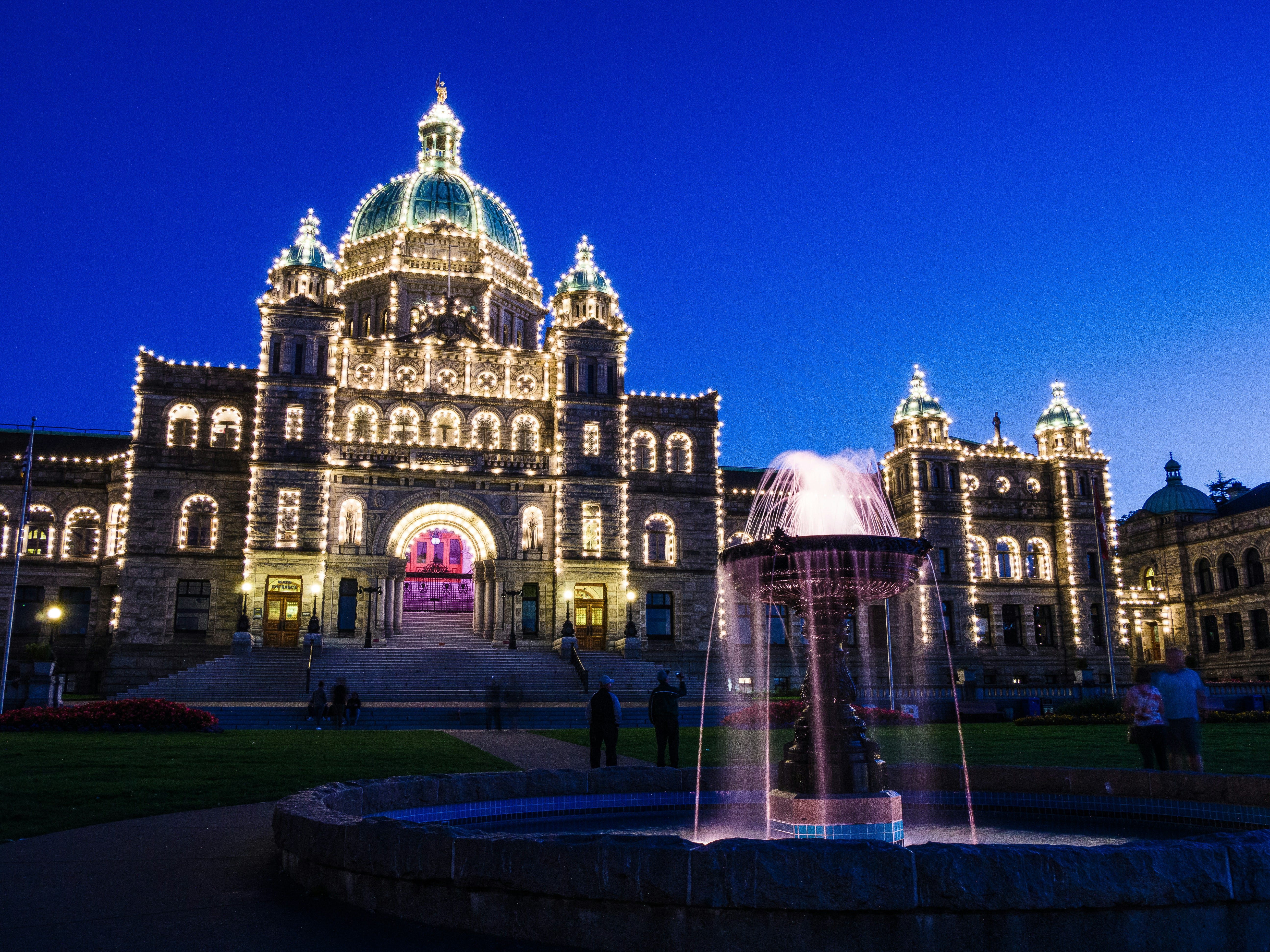
Look no further than the DRIPA debacle unfolding right now in Victoria. The Declaration on the Rights of Indigenous Peoples Act passed unanimously in the BC Legislature in 2019 to widespread celebration. BC’s Indigenous Relations Minister at the time repeatedly assured MLAs the act was aspirational in nature, meant only to provide guidance — upon passage there would be no immediate effect other than as an interpretive aid. Six years later two courts reached a very different conclusion. The BC Court of Appeal ruled in December 2025 that DRIPA should incorporate UNDRIP into BC’s laws with immediate legal effect — precisely what the NDP promised would never happen when they were scoring political points passing it unanimously. Now Premier Eby has backed away from his own proposed amendments after more than ten NDP MLAs expressed opposition in an emergency caucus meeting while the BC Conservatives are calling for full repeal.
There you have it. The NDP used Indigenous rights to signal virtue when it was convenient and retreated the moment it became economically uncomfortable. The Conservatives are using it as a wedge to mobilize their base. Indigenous communities are caught in the middle — again — while BC’s enormous economic potential sits hostage to a political fight neither party is having in good faith.
The unceded land debate is a perfect illustration of how badly we have lost the plot. When someone says 98% of BC is unceded they are making a statement that is simultaneously defensible and deeply misleading. Unceded means treaties were never signed — a procedural fact about Crown conduct. It does not mean Aboriginal title has been proven across BC’s vast mountain ranges, glaciers and remote wilderness that no human group continuously occupied or controlled. Courts have been deliberately narrow on this for good reason. The Tsilhqot’in decision in 2014 and the Cowichan ruling in 2025 established title over specific proven territories — not a blanket declaration over an entire province. But the word unceded does double duty. It is simultaneously a legal claim and a political weapon. And the people most responsible for deploying it as a weapon are not Indigenous communities waiting for clean water and economic participation. They are largely non-Indigenous academics and professional advocates shooting from the comfort of tenured positions, aiming for advancement up the ivory tower rather than genuine betterment of the people they claim to represent. Canada’s Indigenous policy has been captured by theory for decades. The communities those theorists speak for have paid the price.
The courts have made this worse not better. Aboriginal title litigation is extraordinarily expensive, agonizingly slow and structurally incapable of resolving what is fundamentally a political question about how we govern ourselves together. Each ruling opens new litigation rather than closing questions. Politicians cherry pick decisions for their own purposes. Nothing is ever actually settled. Pierre Trudeau understood the mirror image of this problem when he championed the Charter of Rights. His insight was that fundamental rights were too important and too vulnerable to legislative majorities to be left to parliament — entrench them in courts where they belong. He was right. The principle applies equally in reverse. Consultation disputes and Indigenous representation are too important and too politically complex to be ground through courts case by case at enormous cost to everyone including the Nations themselves. These questions belong in parliament where they can be resolved democratically with ongoing voice and real accountability.
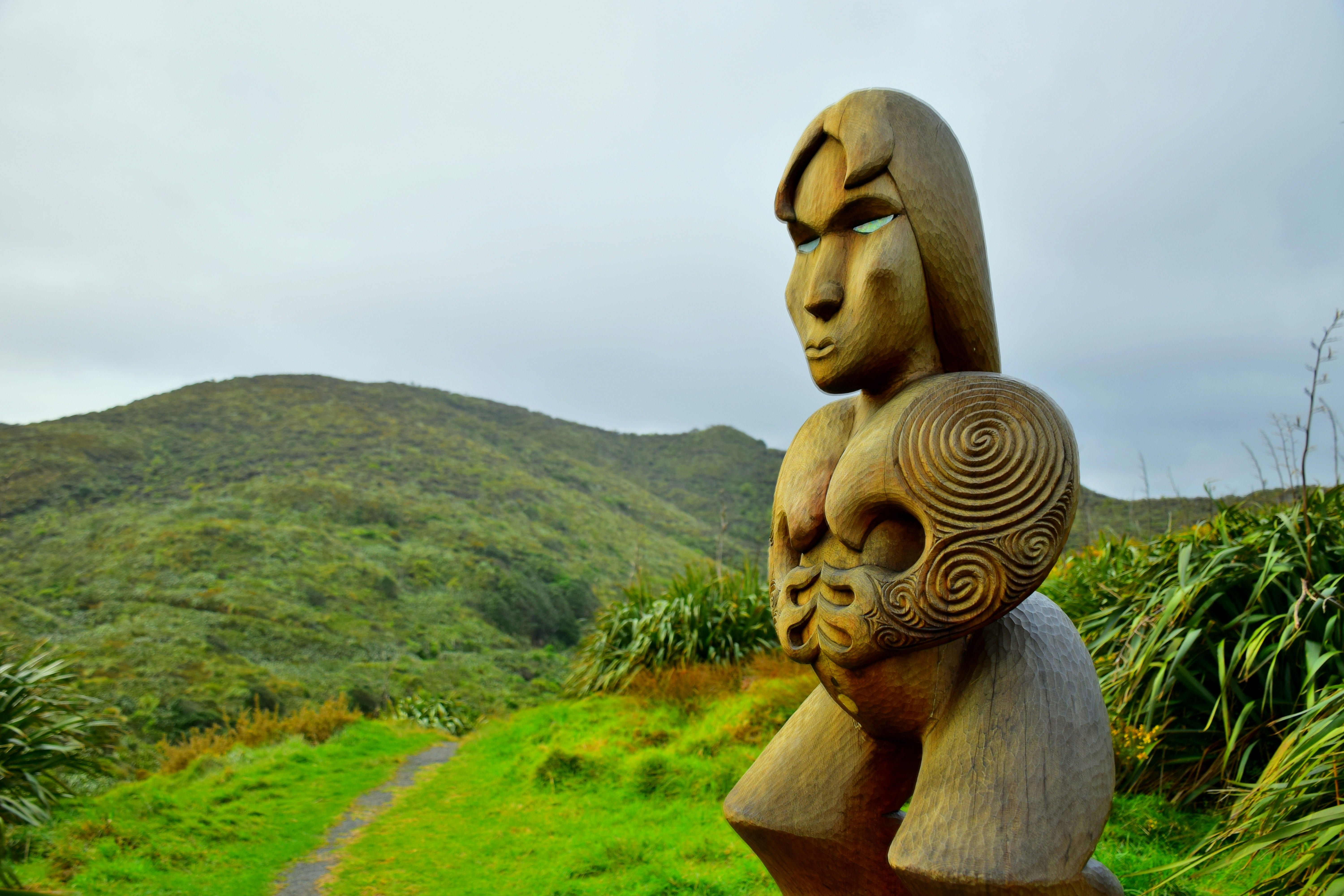
New Zealand figured this out 157 years ago and the lesson for BC is direct and practical. Māori electoral seats have existed in the New Zealand parliament since 1867. Today there are seven dedicated Māori electorates alongside general geographic ridings. Māori voters choose which roll to join — their decision, not imposed on them. Under proportional representation introduced in 1996 Māori representation frequently exceeds those seven guaranteed seats as Māori parties win additional list seats. But New Zealand did something else equally important that Canada has never had the clarity or courage to do. They separated the backward-looking problem from the forward-looking one. The Waitangi Tribunal was established as a dedicated body to hear and settle historical grievances — land confiscations, treaty violations, past wrongs. It exists specifically so that parliament is not consumed by history and can instead focus on governance going forward. Two tracks running parallel. Grievances addressed. Representation moving forward. Neither bogging down the other.
The results are not theoretical. Māori politicians have held cabinet positions including Deputy Prime Minister. Māori language has been revitalized through legislation. Co-governance of natural resources has been established through normal democratic process. Crucially Māori culture has not been absorbed or erased by parliamentary participation — it has been strengthened by real political power. Scholars who argue that parliamentary participation legitimizes colonial structures should explain why Māori identity and culture expanded rather than diminished under this model. Ideological purity is a luxury that communities still waiting for adequate housing and clean water cannot afford.
BC should lead. The province has the most unresolved Aboriginal title questions in Canada precisely because so few treaties were ever signed. That makes it both the biggest problem and the most natural laboratory for a new approach. The proposal is straightforward. Establish dedicated Indigenous electoral seats in the BC Legislative Assembly assigned to Nations and tribal groupings — not bound by geographic riding boundaries but by national and cultural ones. BC’s unicameral system makes this cleaner than federal reform. One chamber, one reform, real representation where decisions are actually made. Establish a BC Waitangi equivalent — a dedicated tribunal to hear and settle historical land grievances with finality. Let the legislature handle the future. Let the tribunal handle the past. Keep the two tracks clean and separate. Repeal or fundamentally reform DRIPA and replace it with something that actually does what it always claimed to — give Indigenous peoples a permanent structural voice rather than an aspirational document that politicians invoke when convenient and abandon when costly.
The offer to Indigenous nations should be equally straightforward. Bring your claims to the institutions built to resolve them. Historical grievances and title disputes belong before a dedicated tribunal — heard properly, settled with finality, not dragged through decades of general court litigation that costs everyone enormously and never actually closes the question. Ongoing governance, resource decisions, land use, economic participation — those belong in the Legislative Assembly where Indigenous MLAs elected by their own nations sit at the table with real votes and real power. You do not have to abandon your claims. You bring them where they can actually be resolved rather than endlessly weaponized by politicians on both sides who benefit from keeping the wound open.
Some will refuse. They will say they want no part of a colonial system. Let them say it publicly. Let British Columbians see clearly who is committed to tangible solutions and who is committed to permanent grievance as a political posture. And to those well-meaning settlers who argue Indigenous peoples shouldn’t have to participate in colonial institutions — ask yourself whether you are speaking for Indigenous communities or simply over them. That is precisely the paternalism you claim to oppose.
BC is a vast and resource-rich province with tremendous economic potential. Its forests, minerals, energy and coastline represent generational wealth for everyone who calls this place home — Indigenous and non-Indigenous alike. None of that potential is being realized while title disputes drag through courts for decades, while DRIPA ping-pongs between virtue signalling and panic, while the NDP and Conservatives use Indigenous communities as props in a political performance that serves neither them nor the rest of BC. Real representation ends that game. It puts Indigenous voices where they belong — inside the room where decisions are made, with the power to shape outcomes rather than the leverage to merely block them.
The perfect has been the enemy of the good for over 150 years. Indigenous communities deserve better than to remain pawns in an academic argument conducted by people who bear none of the consequences of being wrong. BC has the history, the legal foundation and the moral urgency to show the rest of Canada what real representation actually looks like. One chamber. Real seats. A tribunal for the past. A legislature for the future.
The question is whether we have the political courage to finally make the offer.